


Understanding the 'uniqueness' of players
THE INDIVIDUALS
Individuals are what make up a football team. Each player has a set of technical or physical characteristics that must be delivered on demand. These characteristics are developed, monitored and trained on day to day basis.
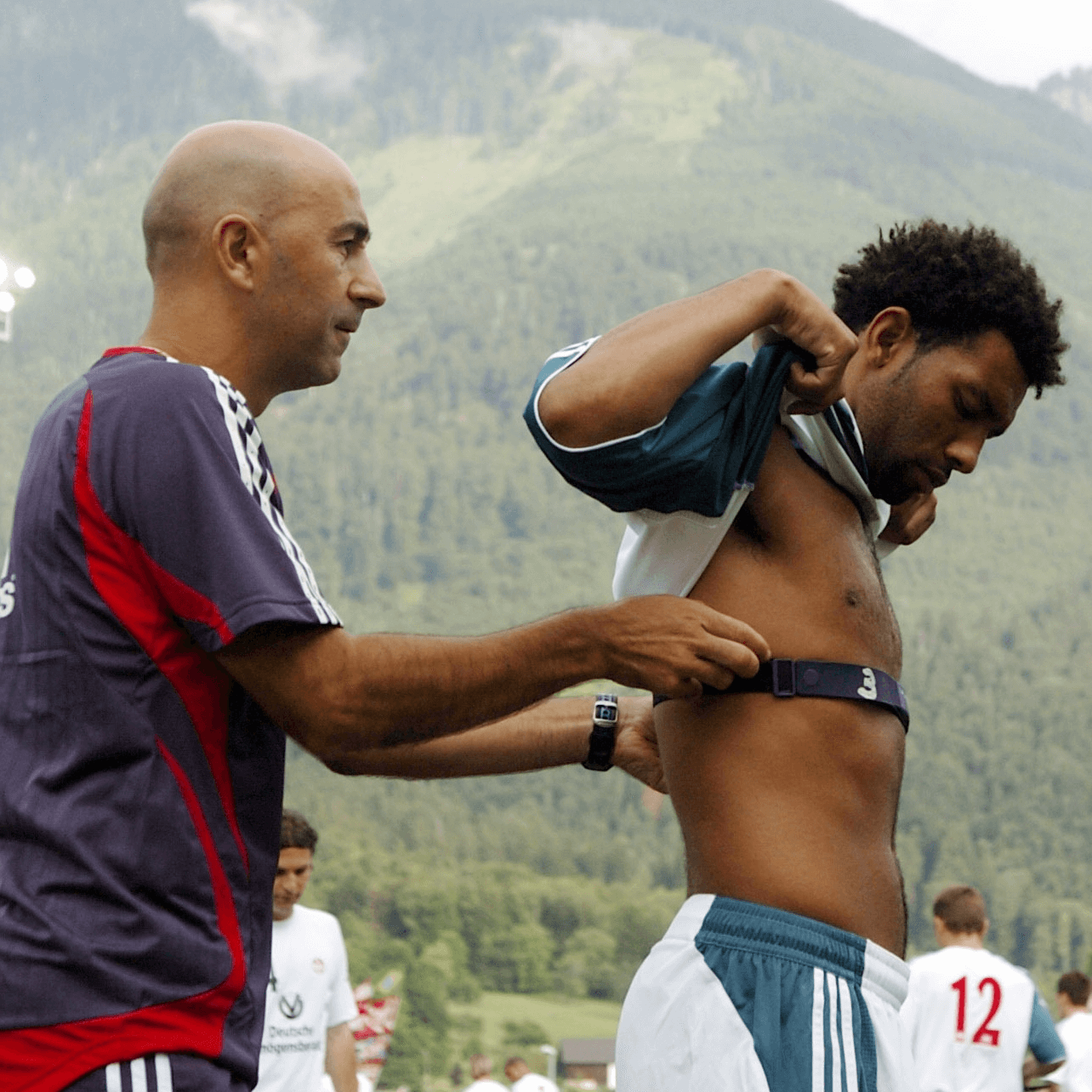
Players are weighed, measured and timed throughout the season. This enables the performance staff to determine a baseline, the starting point.
What is becoming increasingly evident is that a player's character or persona, more accurately, drives 'on-pitch' outputs consistently.
0 -
0
0
With that said, why a footballer thinks, acts and reacts in certain ways would be of the utmost importance.
It's already been established that all players can't be given the same training loads or nutritional schedules, yet how they are spoken to and treated is a one size fits all dynamic.

This is because their physicality is individualised, and so is their persona or 'uniqueness'
How someone 'is' ultimately is influenced by where they've come from, what they've experienced and what's deemed their norm. Not having an understanding of this can have detrimental outcomes, like losing a dressing room, for instance.
It's a common football analogy of some players needing an arm around them, whilst others don't. In modern football environments, especially at the top levels, footballer well-being is given some consideration. Sports psychologists or counsellors are on hand to help deal with 'personal issues'.
ROOT CAUSE
Sometimes, the root of the problem needs to be addressed. Research we've done with Colin Stevenson of Flow Sport seems to indicate that the question often asked is "Why did someone do that" [present] as opposed to "How could someone do that" [past]. Stevenson calls this "Dissolving". What is the first cause?
If a player is continually getting sent off, yes, that's a discipline problem, but where is that coming from? It's all fine and dandy at the club; could it be a manifestation of home life? This also works the other way around. Problems at the club [work], not getting selected, stalling contract negotiations or injury will impact a player's life away from the club.

Equipping managers and players with the tools to identify the first cause to rectify but ultimately prevent such scenarios can only be good. The Flow Sport - Flowcess aims to facilitate this.
A typical example of a footballer's internal conflict is consistent on-field performance. Despite 'all things being equal', Sporadic player ratings can be untraceable. Data analysts will drill down on metrics [accelerations, decelerations, duals, passes and shots] and question physical load, injury incidence or nutritional deficiency in such cases.
0 -
0
0
A manager or coaching staff that understands and delivers for a player's uniqueness will save time and potentially prevent such situations. Backroom teams are increasingly evaluating the apparent marginal gains, but it can be argued that intangible gains will make the most significant difference in the long run.
REACTION
For a player to know how they tick can have massive benefits. Of course, the same things may well cause a reaction (both positive and negative), but appreciating where it comes from can keep that said individual in flow.
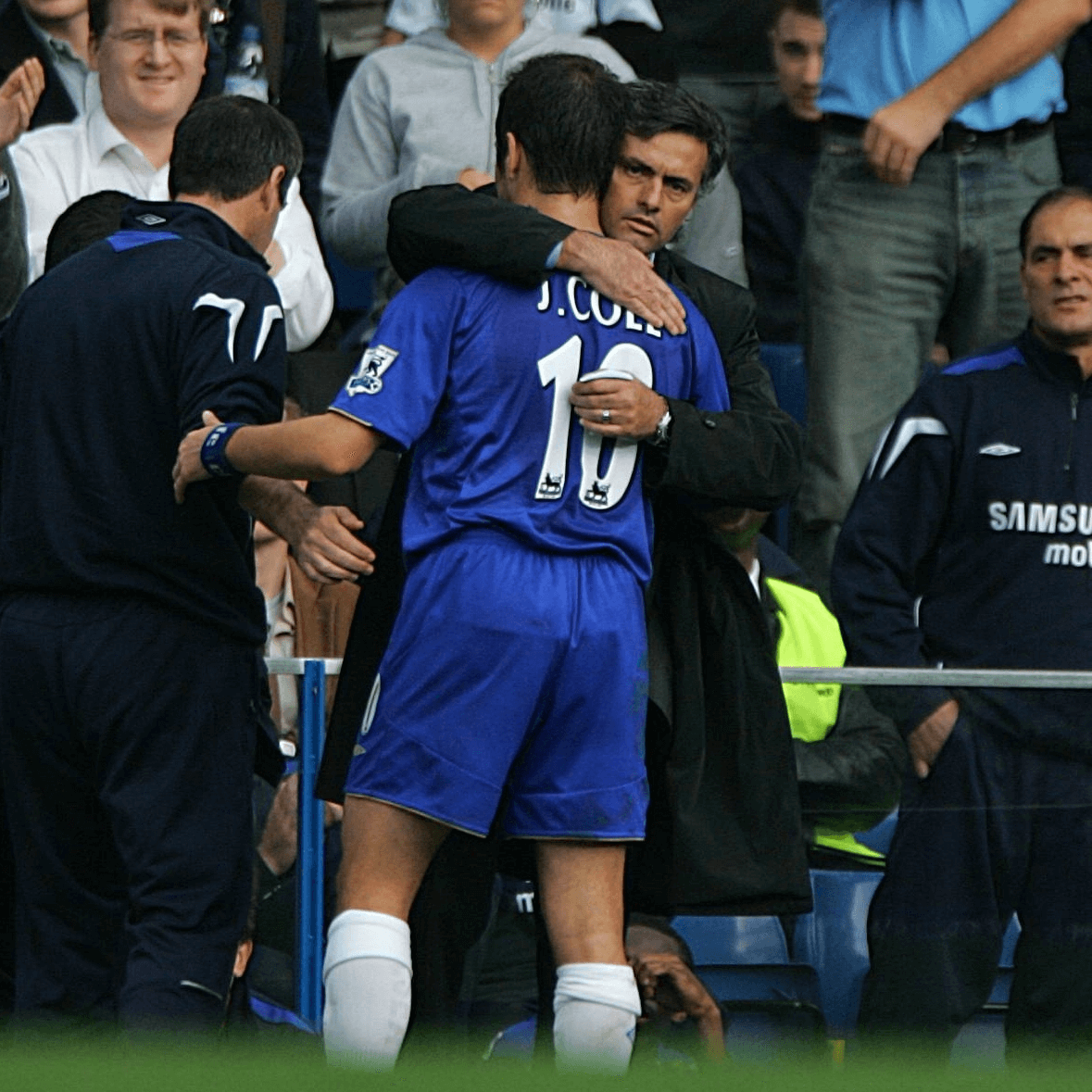
For managers, an appreciation that the team is a unique collective built up of individual uniqueness will garner immediate and prolonged buy-in. More footballing analogies here, when a manager is failing and the team isn't performing and has disengaged, comes the line, "They've hit a brick wall". The paradox for that is when there's buy-in, "The manager gets players to run through brick walls for them"

Again, the uniqueness of any group of individuals will change over time. Cultural, social and vocational bias means this year's cohort will differ from a squad in 5 years. The principles of working with uniqueness won't.
Related content

 06:47
06:47
How I knew it was right to turn down Sir Alex Ferguson
 04:39
04:39
Managers can destroy squads without even knowing it
 02:29
02:29
How Flow State can save clubs millions in the transfer market
Related content
by ashley westwood
How I knew it was right to turn down Sir Alex Ferguson
flow sport research
Managers can destroy squads without even knowing it
cash flow
How Flow State can save clubs millions in the transfer market
More exclusives

 04:39
04:39
Managers can destroy squads without even knowing it
 02:06
02:06
Neuroscience tackles Champions League travel fatigue for players
 05:28
05:28
Being Europe's most wanted 15 year old footballer
 59:05
59:05
MOMENTS THAT COULD'VE CHANGED FOOTBALL FOREVER

Share