


Why Most Non-League Players Stop Getting Better
How development stops
Having worked with a non-league footballer in between clubs, we asked him, “When was the last time someone sat down with you to talk through your performance?” Not a half-time team talk. Not a WhatsApp message saying "good game." An actual conversation, with footage, about what you did on the pitch.
His answer, similar to that of other players in the lower reaches of the football pyramid, was “ages ago when I was a scholar”.
We then engaged a group of senior players and examined the adoption of video performance analysis and its benefits. This is what came out. Whatever scaffolding existed when they were younger, the academy coach who watched them, the age-group reviews, the weekly conversations where someone told them what they’re good at and what’s missing, that whole setup, was gone. Once in a non-league side, none of it rarely exists. Managers at that level are preparing eleven players for the game. They’re not in the business of making you better at receiving on the half-turn.
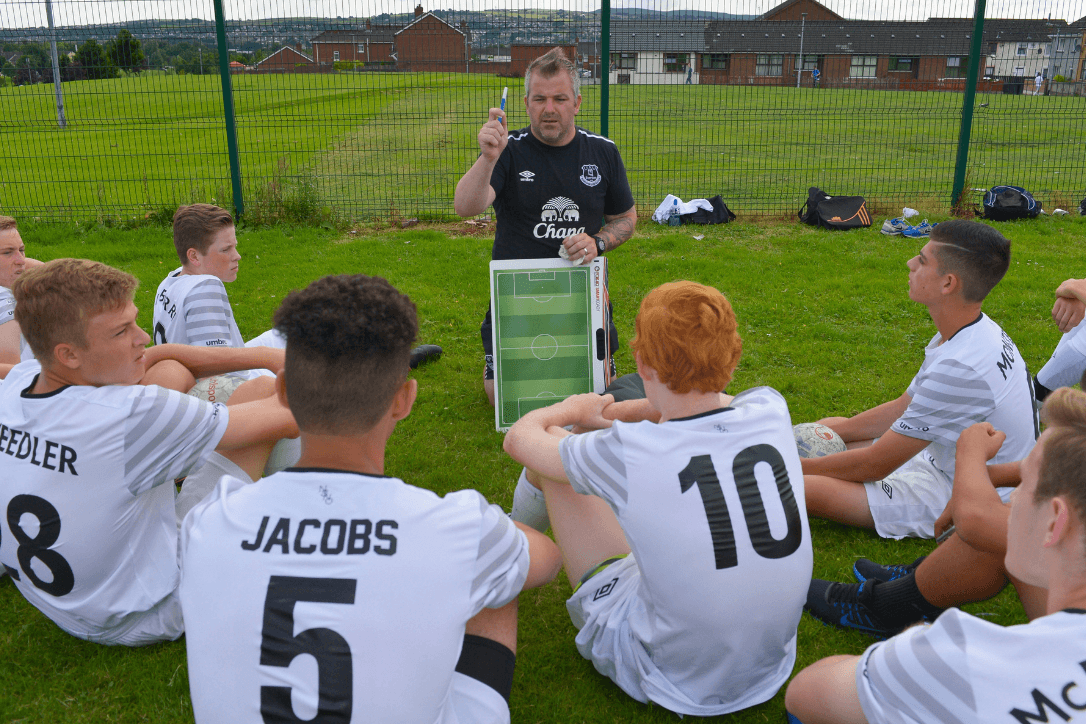
So, effectively, they’d been playing, but stopped getting better.
Sitting with Max Bateman in his role as head analyst at Edge In Sport (EIS), he's blunt: the further down the pyramid you go, the less individual feedback there is. Clubs care about results. Individual work, the kind you took for granted as a teenager, quietly disappears.
That's the gap. Not effort. Not ability. It’s the absence of a mirror. That mirror provides comprehensive, objective analysis of your individual performance. The focus is on evidence-based insights covering all technical and tactical elements of how you play.
Your system might be hiding what you're good at
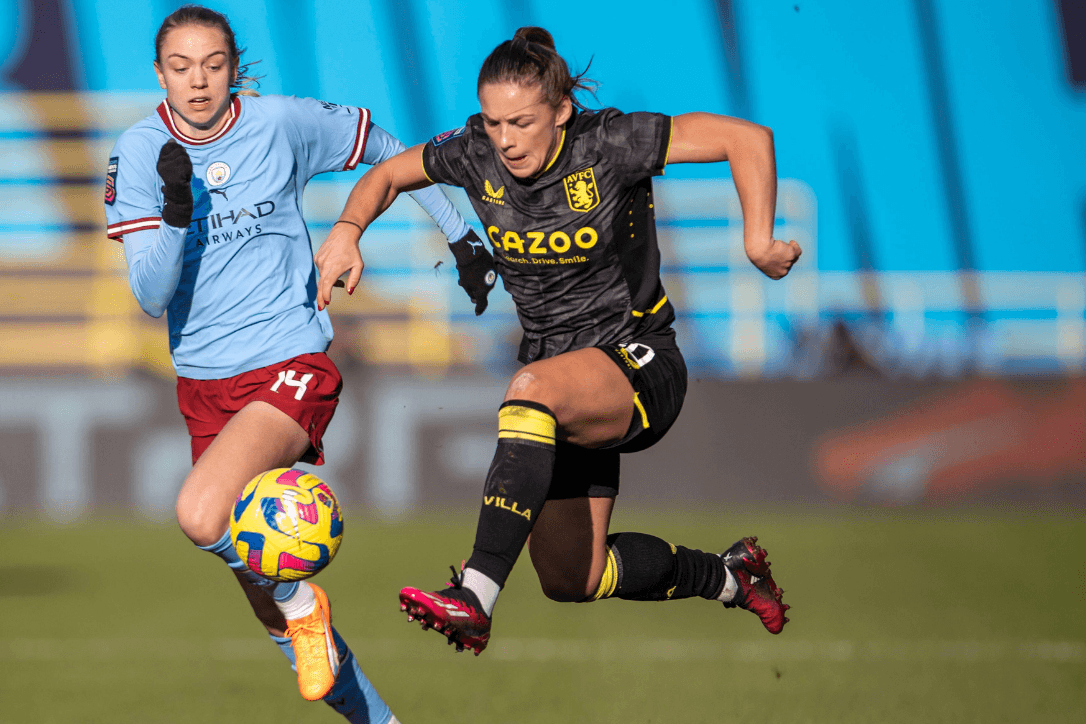
Bateman recalls a story about a young striker the EIS team works with. Number nine by trade. Trains hard. Does what the manager asks. And somehow, on a Saturday, the goals aren't there.
The footage tells you why. The team’s shape pulls her wide. She's making channel runs whenever the ball moves forward. When crosses come in, she’s nowhere near the six-yard box. From the stands, this looks like a striker who's lost her edge. The video shows a striker being asked to do a different job.
This pattern repeats in non-league football.
If what you're good at lines up with what the team needs, brilliant. You score, you assist, you're noticed. If it doesn't, you spend season after season underperforming. Players we’ve spoken to have said they can start asking whether the people who told them, all those years, they could play were only being polite.
The question should be whether anyone has helped them see what’s actually happening.
What individual video analysis surfaces
Done properly, this isn't a showreel. It's closer to a structured second opinion.
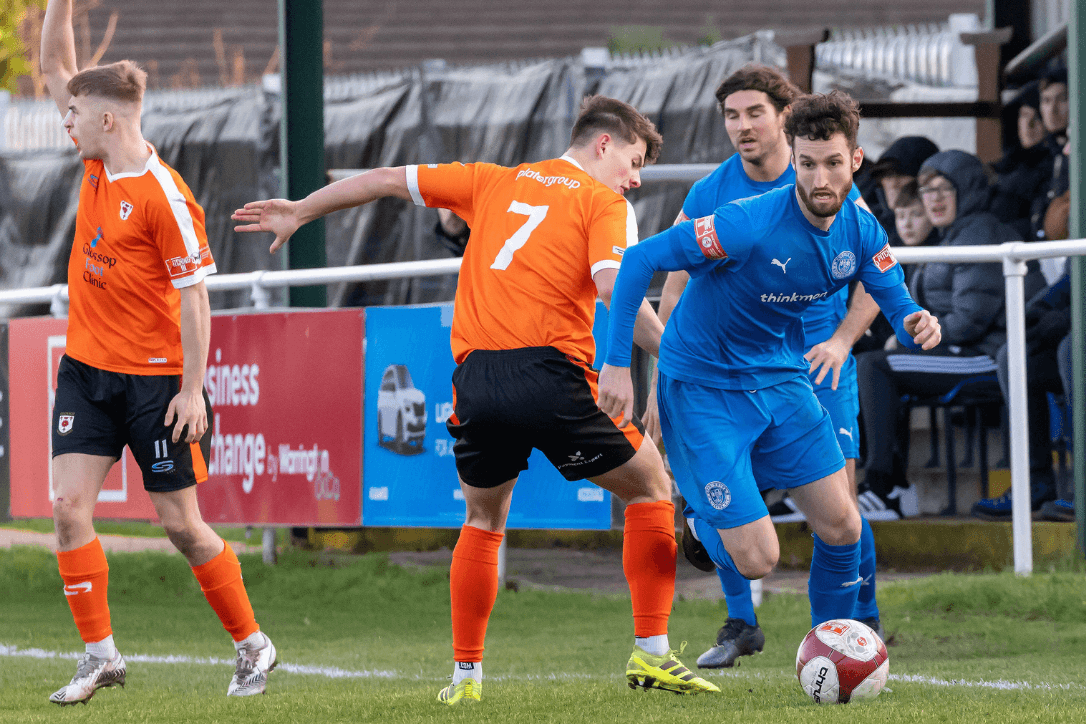
Analysts will watch your full ninety, sometimes more. The runs you make, and the ones you don't, are mapped. What you do with the ball and without it is noted. Off the ball they're reading your defensive shape, your press triggers, your recovery runs, what your body's doing when the play's away from you. On the ball: are you scanning? How does your touch hold up under pressure? What decisions do you make in the final third?
Position matters here. A six gets assessed against a different model than a wing-back. A modern nine isn't the same job as an old-school target man; an analyst's eye knows the difference.
The output gets packaged tight. Bateman's team look to deliver four-to-six-minute clipped sessions, because nobody learns from sitting through their own game a second time. The point isn't the footage. The point is the conversation around it. The footage is the prompt.
Another brilliant example of its relevance is for recruitment in the non-league game. When left-sided player Ben Collins was looking for a new club, he had a few options to weigh up. Clubs he wanted to be at looked like they had filled their quotas. Knowing how certain teams played, his footage was clipped and broken down, his attributes and specific movements were highlighted to align with the club's style of play and requirements. Bingo. The guesswork had been taken away, and the club moved to bring in a player they could visually see would fit their system.
Video on its own? Like a TV that's always turned off.
What good actually looks like
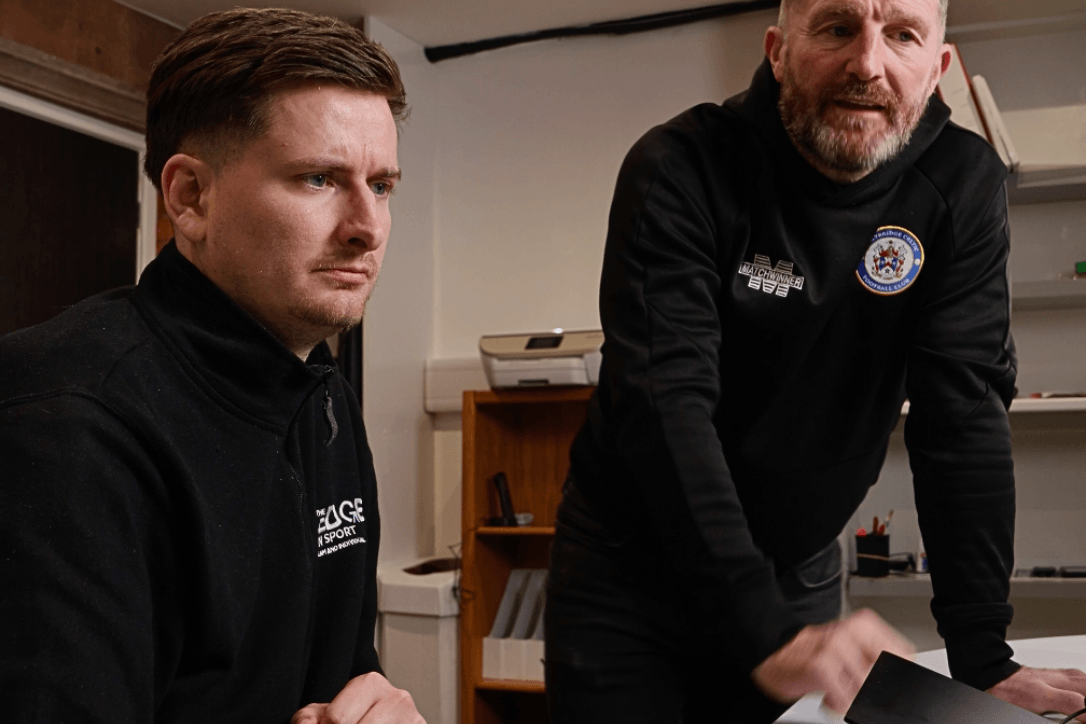
The performance analysis category is growing. Standards vary wildly. If you’re a contracted non-league player or a semi-pro looking to step up, it’s worth knowing what separates the operators who'll do something for your game from those who'll just take your money. The aim is to get detailed insights and identify key areas for improvement.
First: positional specificity. A six and a winger should not be measured against the same checklist. The strongest analysts have a model of what your role actually demands and grade you against it. If they're using generic markers, they're producing generic analysis, which won't move you.
Second: how it's delivered. Short, clipped packages with telestration get watched. Twenty pages of just AI PDFs do not. Get a sample of someone's output before you pay them anything. If it looks like a homework assignment, walk away.
Third: The conversation around the actual clips. The video is the prompt. Dialogue with someone who knows the game enough to disagree with you is what changes your game. An analyst who just hands over a folder and waves you off is just selling you a TV.
Fourth: turnaround. Forty-eight hours after a game is the working standard. Two weeks later, and the lessons have gone cold.
Edge In Sport is one of the operators in the video space. There are others. Any player putting real money into this should expect a provider to clear all four marks above. If they don't, find another.
What needs to be understood, though, is that individual professional analysis isn't magic. It can’t give pace. It doesn't change a manager's selection logic. It won’t guarantee a move up the league. What it does, when it works, is close the feedback gap that's been quietly costing you for seasons. A smaller claim than the marketing in this industry usually makes, but an honest one.
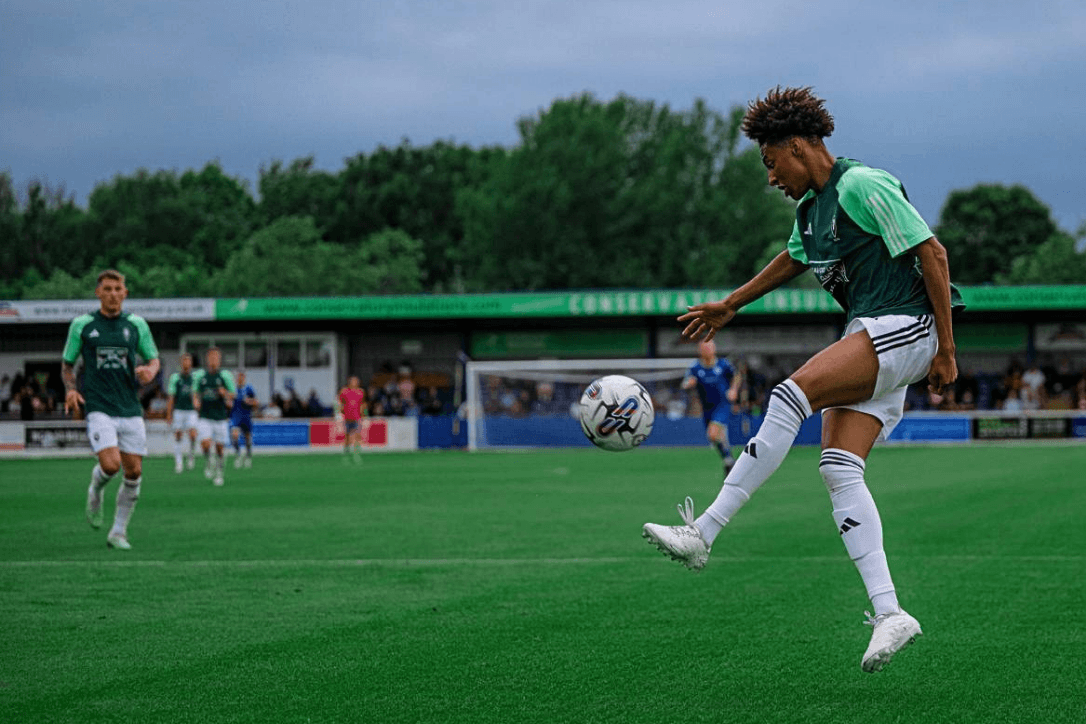
Analytical currency that gets you paid
Most non-league players stay at the same level throughout their careers.
But the reasons most players don't go up aren't always what people assume.
Bateman has seen players in their late twenties, players who'd quietly accepted they were finished improving, start moving again once the feedback gap closed. Not all of them moved up. Some did. Most just played better, for longer, with more clarity about what they were trying to do.
Availability is currency in non-league football.
Consistency is currency.
And the small, unglamorous work of actually knowing your own game well enough to fix what's costing you or demonstrate to a new club you're a good fit. That's currency too. It doesn’t guarantee you a contract. But as Edge In Sport has identified, it does give you a better chance than assuming you've hit your playing ceiling though.
If you’re still playing, you almost certainly haven't. Knowing how you move could get you that move.
Related content

 07:07
07:07
From working at McDonalds to Premier League player
 05:11
05:11
MOTD pundit went from non-league reject to Euro captain

Video footage without analysis is a TV you never turn on
Related content
by chris basham
From working at McDonalds to Premier League player
by ashley williams
MOTD pundit went from non-league reject to Euro captain
by max bateman
Video footage without analysis is a TV you never turn on
More exclusives

 04:39
04:39
Managers can destroy squads without even knowing it
 02:06
02:06
Neuroscience tackles Champions League travel fatigue for players
 05:28
05:28
Being Europe's most wanted 15 year old footballer
 59:05
59:05
MOMENTS THAT COULD'VE CHANGED FOOTBALL FOREVER

Share