What's needed for young players to 'make the grade' in professional football these days? Yes - skill, speed, or vision are qualities pro academy coaches love to see in a young player, but these aren't everything.
Most parents won't hold UEFA or FA coaching qualifications, nor are expected to. However, they still play a massive role in a child's football development.
Actually, the higher a young player goes in a pro football academy, the more important this becomes - even if they get signed by a Premier League club.
At football4football we have heard many parents say:
"Oh, I just let the club get on with it" or "Well they know better than me".
This isn't always the case. It's all fine and dandy if you are talking about the technical stuff in training sessions or matches. But the parent knows best in everyday life!
Looking at the facts
Junior footballers will be with their clubs on average 3-4 hours a week, leaving 165 hours of school, social and family time. Unfortunately in some cases, that 2% of the week at PRO clubs dictates 100% of the thinking.
The expectations
Short contact time means clubs expect a certain amount of input from parents or guardians. The hours each week are precious, the primary concern is loud and clear: THE FOOTBALL. The other stuff (the critical parts by the way) has to come from the player's support base.
Parents and family friends have served many successful professional players on their journey to stardom. Ferrying their child to and from club activities each week, buying the kit and making tea. That support is crucial for the young player's football attendance, but other things will become just as vital.
How you can help
The famed Ajax academy coined a phrase:
'Develop the person, develop the player'.
This is probably the simplest and one of the most significant sayings in junior football. Nurture personality, character and attitude, and then you've got a chance.
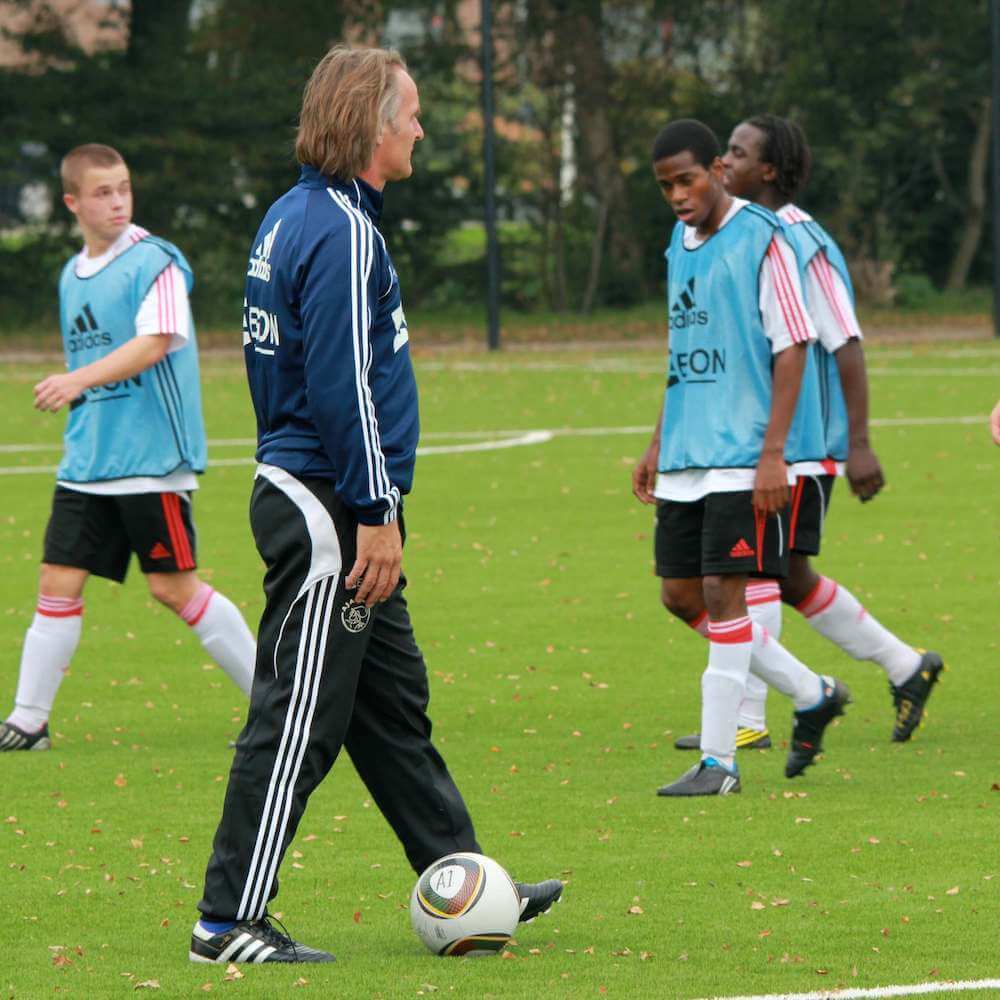 BLUEPRINT: The famous Ajax academy values player personality very highly
Parents need to be at home making sure that [their child's] behaviour is appropriate.
Education Professional within pro academy football -
Janine Garcia to football4football
Just because a child has a talent for the game will not always mean they will also have a talent for life. There are some things a parent/guardian should oversee to improve a young player's personal development.
There’s no way that pro footballers have got to the stage they’ve got without parental support.
Education Professional within pro academy football -
Janine Garcia to football4football
 DUAL ROLE: Parental and adult support must extend beyond the pitch
The challenges
The game has changed on the pitch in recent times, but it is almost unrecognisable off it. Media, money, social interest and distractions create challenges some young players will fail to cope with.
Football has an uncanny knack of making things seem more significant than they are. Do well at school, and you pass exams and go on to college. A teen doing well in the pro game means going from playing with friends to performing in front of packed stadiums and millions on television, in no time. Both are processes of progress but with very different outcomes.
Experiences of early praise or rejection can naturally cause disillusion. For all the pitfalls along the way, people DO make it, thousands of professional players get paid to 'put on a pair of boots' each week. They too were once the starry-eyed 10-year old wearing multicoloured boots with the latest club signing on their backs.
Jeff Whitely experienced the trappings of elite football starring for Manchester City in the Premier League as a teenager. His cautious viewpoint serves as sound advice for any parent of 'The next big thing!'

You've got all the big houses, the flash cars, the model girlfriends and it looks lovely, but the reality is, if you don't know who you are and how you tick, all that doesn't mean a thing.
Ex - Manchester City & Northern Ireland midfielder-
Jeff Whitley to football4football
If a teenager progresses onto this level, they may not have changed, but their surroundings definitely will. Social exposure without experience can be daunting, so parental guidance now comes into play. Regardless of a child's talent or standing within a club, parents STILL have to be parents!
Professional football life paints a glamorous picture. The Premier League is the most lucrative money-spinner in all sport. This means expectations must be managed and making them aware of the ups and downs and what's right and wrong can be crucial. These reality checks are specifically important for players in their mid-teens.
Child first, footballer second
Academy football allows young players to develop technical skills, to play the game they love, and to develop a potential career. Children as young as four can now be 'associated' with massive Premier League clubs.
These youngsters do not know the difference between the top flight or the grassroots game. They will only take it on board once the adults who surround them explain it. A parent will not love a child any more or less if they are playing for the Premier League Champions or a local park side. So as such, a child should not be treated any differently.
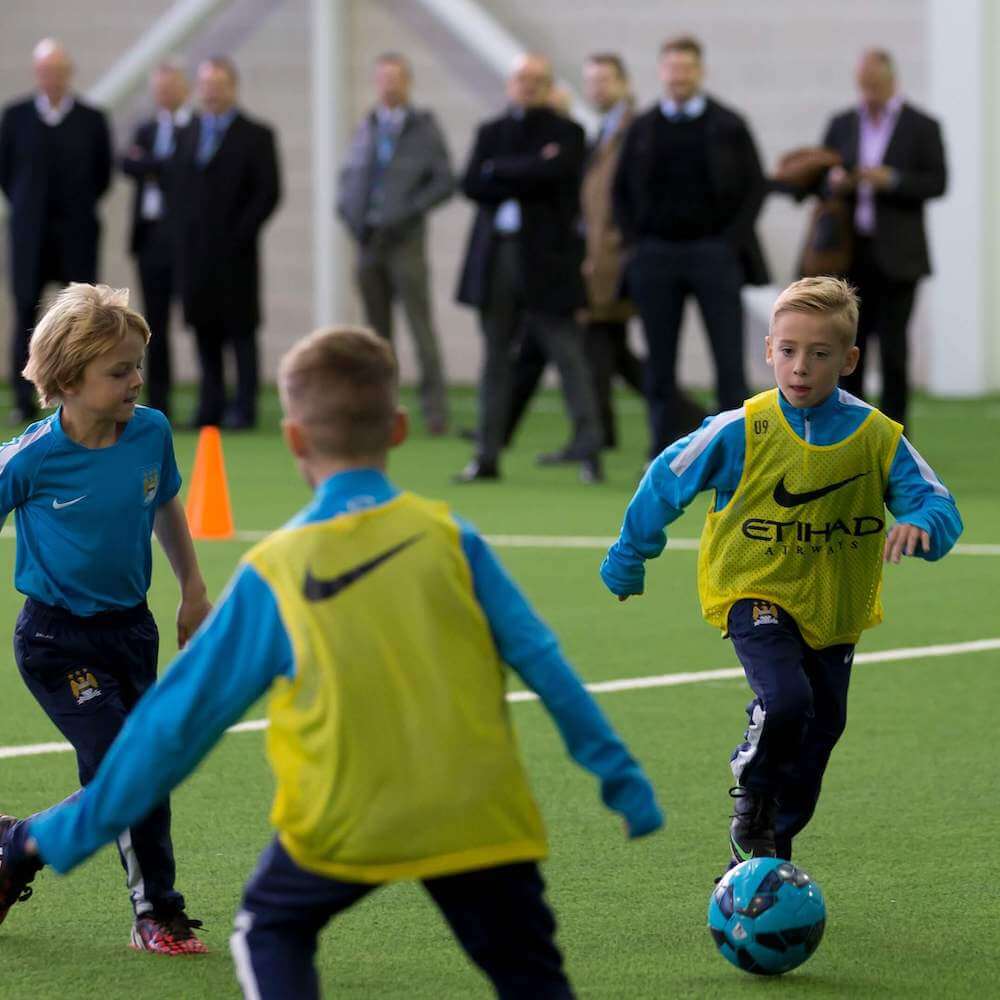 INFLUENCE: Young players are just like young people, they absorb what's around them
Paying attention to personality growth, the social circle of influence and their mentality will be the best investment you can make for a child's potential career. This shouldn't be the expected role of a pro club's academy coach - whether you like it or not. Granted, some will be more attentive than others, but realistically they are paid to deliver training sessions on the pitch first and foremost.